ACADEMY
WHAT IS ROLL FORMING? A PRACTICAL INTRODUCTIONROLL FORMING VS PRESS BRAKE: WHICH ONE, WHEN?HOW TO CHOOSE A SERVO FEEDER STRAIGHTENERHOW TO CHOOSE A DECOILER (UNCOILER): WHAT TO CHECKHOW TO CHOOSE A STRAIGHTENER OR PRECISION LEVELERHOW TO CHOOSE A CUT-TO-LENGTH LINEHOW TO CHOOSE A SLITTING LINEBUYING A ROLL FORMING MACHINE: WHAT TO CHECKCOIL, STRIP AND PRESS TONNAGE CALCULATOR
Buying a Roll Forming Machine: What to Check
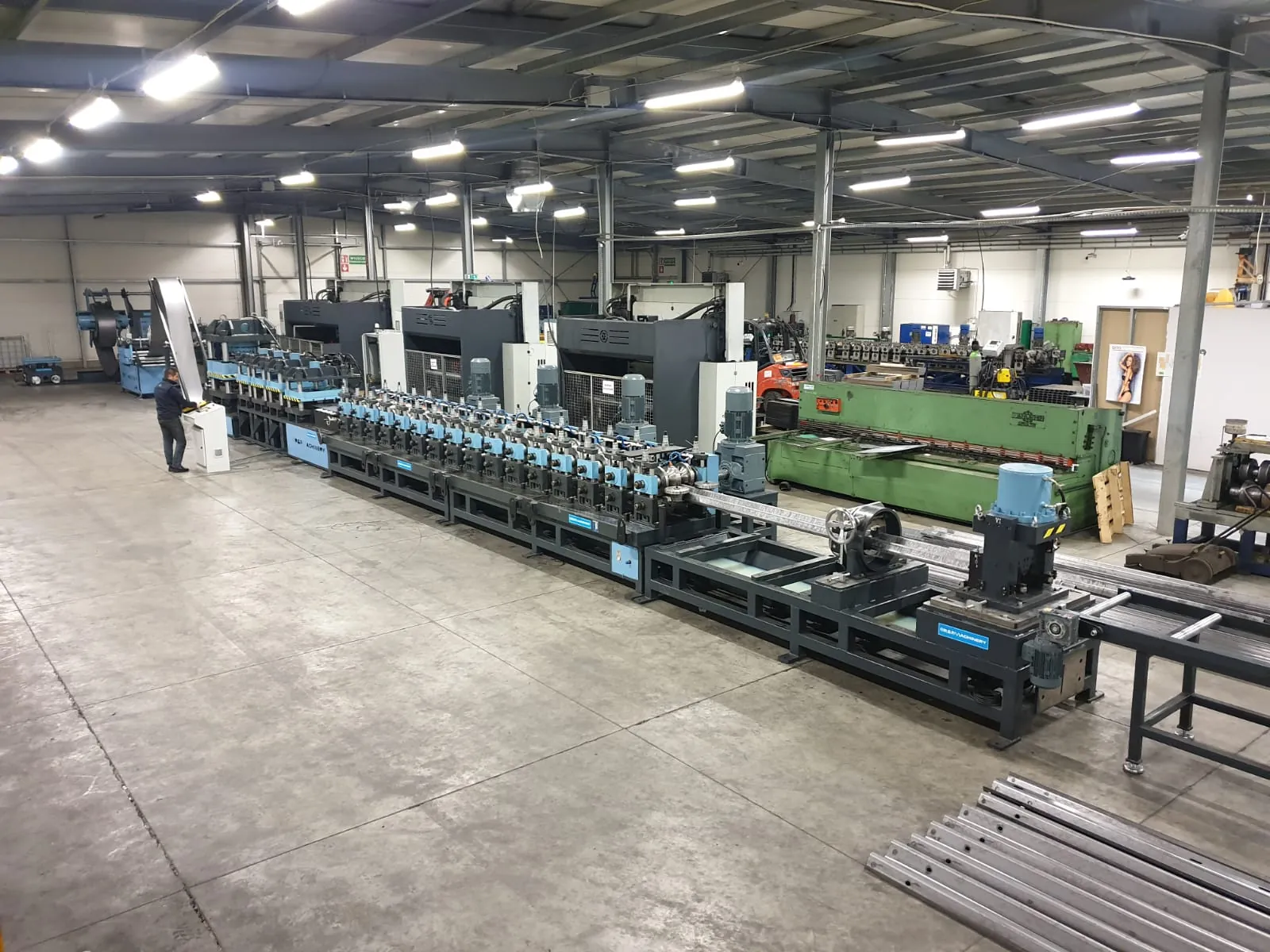
Flower design, number of stands, rollers, stand construction, punching, cut-off, real output and acceptance tests: what to check before buying a roll forming line.
A roll forming line is a long-term investment. Two offers for the "same" profile can be very different machines. These are the points our engineers check – and the ones worth asking every supplier about.
1. The profile and the flower design
Everything starts with the profile drawing and its tolerances. The supplier should design the forming sequence – the flower pattern – and show how many stands it needs and why. A quote without a flower design is a guess.
2. Number of stands
More stands mean smaller bending steps, less stress in the material and better profile quality, especially with high-strength steel or pre-painted surfaces. Too few stands save money once and cost quality every day.
3. Rollers and shafts
- Roller material and hardness – hardened tool steel lasts much longer than untreated steel
- Surface finish – polished or chrome-plated rollers for coated and stainless material
- Shaft diameter – thin shafts bend under load and the profile goes out of tolerance
- Spare rollers and how quickly they can be re-made from the design data
4. Stand and drive construction
Check the stand type (single-side or two-side supported), frame rigidity and the drive: gearbox, chain or universal-joint drives. A rigid frame and a precise drive keep the profile straight at full speed.
5. Punching and cut-off
- Pre-punching before forming or post-punching after forming
- Pre-cut (flat strip cut before forming) or post-cut (profile cut after forming with a profile die)
- Stop-and-cut or flying cut-off – flying cut keeps the line running and increases output
- Length tolerance and how it is measured (encoder)
6. Real output
Ask for the output per shift including punching, cut-off, coil changes and profile changes – not only the maximum forming speed. If the line produces several profiles, ask how long a changeover takes and whether quick-change cassettes are offered.
7. Controls, documentation and support
- PLC, servo and HMI brands, and remote access for diagnostics
- Electrical drawings, manuals and spare parts lists
- CE conformity for Europe
- Factory acceptance test (FAT) with your own material before shipment
- Installation, commissioning and operator training at your plant
What to send for a quote
- Profile drawing(s) with tolerances
- Material type, thickness range and strength
- Punching pattern and cut lengths
- Required output per shift
- Coil weight, width, ID and OD
Frequently asked questions
How long does it take to build a roll forming line?
It depends on the profile and the line. Ask for a schedule that includes design, roller manufacturing, the factory acceptance test and installation.
What is a factory acceptance test?
A test run at the manufacturer with your material, where the profiles are measured against the drawing before the line is shipped.
Related machines
Request a quote
Send us your profile or part drawing, material and required output, and our sales engineers will propose the right solution.
GET QUOTE sales@rollandform.com